

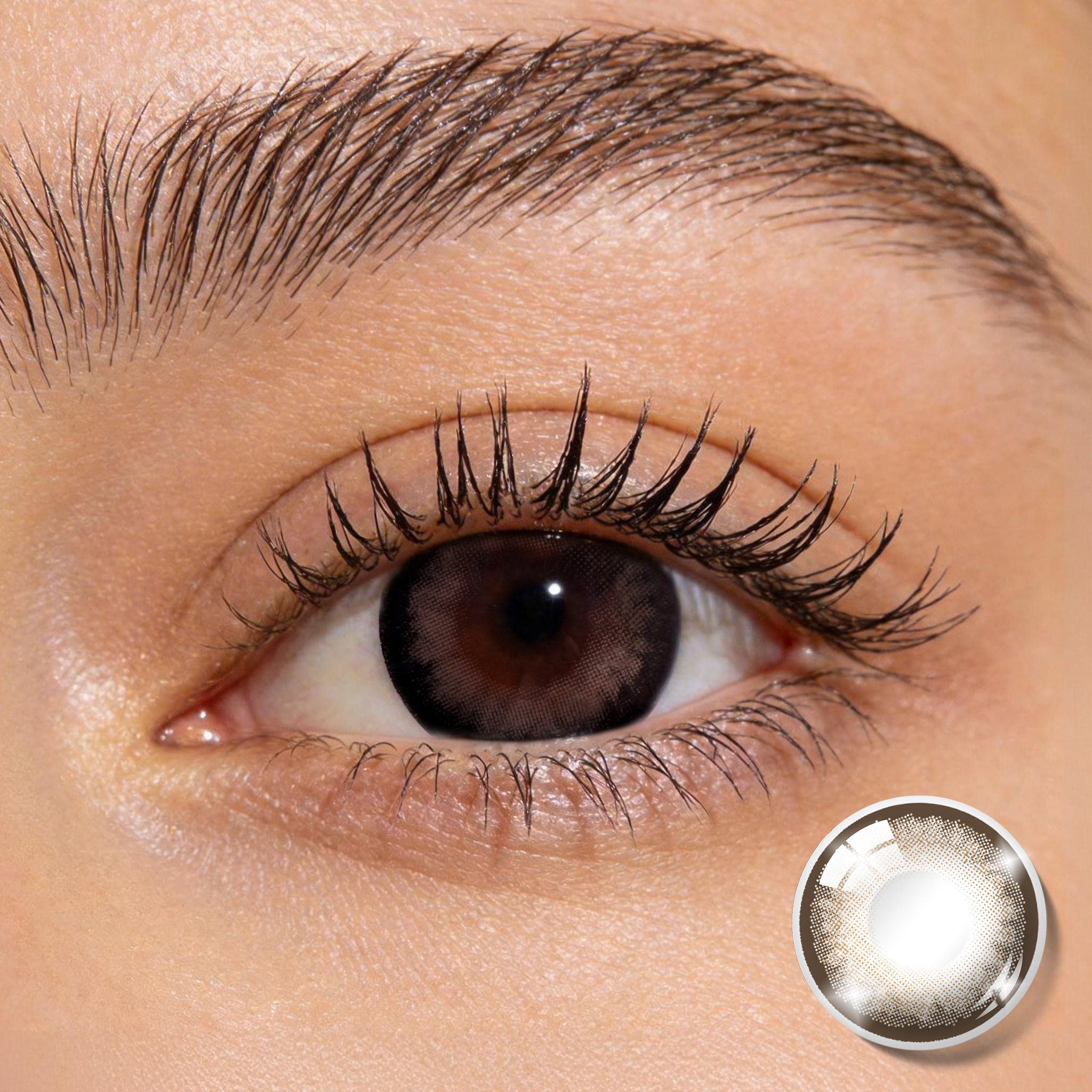
How long can you wear colored contacts in one day? There is no single number that suits every person and every lens. Your safe schedule depends on the prescribed product, your eye health, and your eye care professional's instructions.
A six-month or yearly replacement label does not tell you how many hours to wear lenses today. It tells you when a reusable pair must be replaced under its prescribed schedule. Daily wear, overnight wear, and replacement are different questions.
This guide helps you plan a normal day, notice problems early, and know when glasses are the better choice. It does not replace a personal fitting or wear schedule.
Is There a Universal Daily Hour Limit?
No universal limit applies to all colored contact lens wearers. Lens design, material, fit, and your eyes all matter. Your prescriber should tell you how to begin wearing a new pair and when to remove it.
Do not assume that a comfortable morning guarantees a comfortable evening. Pay attention to how your eyes feel throughout the day. Your plan should leave time to remove, clean, and store reusable lenses correctly.
- Follow the wear schedule given for your prescribed lens.
- Do not extend wear simply to finish an event or commute.
- Remove lenses if they become uncomfortable or vision changes.
- Use your backup glasses when you need a break.
If you are wearing colored contacts for the first time, start with our beginner's guide. Ask your eye care professional for a schedule tailored to your lenses.

Daily Wear Is Not the Same as Replacement Schedule
These two labels answer different questions. A daily wear instruction addresses when lenses should be on your eyes. A replacement schedule addresses when you must discard a reusable pair.
A product described as “6 months wear” is not meant to stay on your eyes for six months. A yearly lens is not intended for uninterrupted wear for a year. Follow the product's instructions and your eye care professional's schedule.
| Term | Question it answers | What to remember |
|---|---|---|
| Daily wear schedule | When should I put lenses in and take them out? | Follow your prescriber's instructions. |
| Replacement schedule | When should this pair be discarded? | Do not extend the prescribed replacement date. |
| Overnight wear | May I sleep in these lenses? | Do not sleep in them unless specifically directed. |
CDC guidance says to follow the replacement schedule recommended by your eye care provider. It also advises avoiding sleep in lenses unless your provider directs otherwise.
What Changes How Long a Day Feels?
Two people can use the same prescribed lens and have different experiences. Your eyes can also feel different from one day to the next. Comfort is useful feedback, but it is not a reason to exceed professional instructions.
Lens fit and your eye health
A lens should be fitted for your eye. Poor fit can cause problems even when the color looks right. Tell your eye care professional about dryness, allergies, or a history of irritation before choosing a lens.
Your environment and routine
Long screen sessions, makeup, and travel can make a wear day harder to manage. Plan when you can wash and dry your hands before touching lenses. Keep a suitable lens case and prescribed care products available.
What the lens is designed for
Do not infer a daily hour limit from color, water percentage, or a marketing description. Those details cannot replace the wear schedule given for a prescribed product. Ask your professional about the exact lens you use.

A Practical Plan for Your First Few Wear Days
New wearers should ask for a gradual schedule rather than inventing one from online advice. Your eye care professional can explain insertion, removal, and the signs that mean you should stop.
- Confirm the lens name, prescription, and recommended wear schedule.
- Practice inserting and removing lenses before a busy day.
- Choose a day when you can remove them if needed.
- Carry your glasses and a clean lens case.
- Check in with your prescriber if comfort or vision changes.
Do not make your first wear a long event where removal would be difficult. A calm routine makes it easier to notice how the lenses feel.
For shade inspiration, compare Toffee Brown and Classic Brown. Review the product details, then confirm the lens choice with your eye care professional.
Should You Take a Break During the Day?
If your eyes feel uncomfortable, remove the lenses. A break is not permission to ignore pain or redness. If symptoms continue, contact an eye care professional before wearing lenses again.
Your glasses are the easiest backup for many wearers. CDC guidance recommends carrying a pair in case you need to take contacts out. That advice matters especially when you are away from home.
Never rinse a lens or case with tap water to make an unexpected break easier. The CDC advises keeping contact lenses away from water. Use the cleaning and storage method recommended for your product.

Why Sleeping in Colored Contacts Is a Separate Risk
Daily wear lenses are generally removed before sleep. Do not nap or sleep in them unless your eye care professional specifically directs you to do so. A long replacement period does not change that rule.
Even if you slept in lenses before without an obvious problem, that experience does not prove it is safe. Discuss any accidental overnight wear with your eye care professional, especially if your eye feels different.
See our sleeping in contacts guide for the risks and next steps.

Signs That Mean Stop Wearing Them
Do not try to “push through” persistent discomfort. The CDC advises removing lenses and contacting an eye care professional if you experience unusual irritation. Redness, worsening pain, light sensitivity, sudden blurry vision, and discharge need prompt attention.
- Remove the lenses promptly.
- Do not wear them again until advised by your eye care professional.
- Use glasses if your vision needs correction.
- Seek urgent professional advice for pain or vision changes.
Clean reusable lenses only as directed. Do not use old solution or add fresh solution to used solution. Our cleaning guide helps you review the care steps.
Frequently Asked Questions
Can I wear six-month colored contacts all day?
The six-month label describes replacement, not daily hours. Follow the daily schedule provided for your prescribed lenses. Remove them if discomfort develops.
Can I wear yearly contacts for longer each day?
No conclusion about daily hours follows from a yearly replacement label. Your eye care professional should set the wear schedule for that lens.
What if my lenses still feel fine at bedtime?
Comfort does not override wear instructions. Remove daily wear lenses before sleeping unless your eye care professional has directed otherwise.
Can I put my lenses back in after taking a break?
Follow the prescribed cleaning and storage instructions. Do not reinsert lenses after pain, redness, or unusual irritation without professional advice.
Make Color Part of a Comfortable Routine
The best wear schedule is the one prescribed for your eyes and your specific lenses. Keep glasses available, follow care instructions, and remove lenses when your eyes signal a problem.
Explore Toffee Brown colored contacts
Health sources: CDC: Preventing Eye Infections When Wearing Contacts; CDC: What Causes Contact Lens-Related Eye Infections; FDA: Colored and Decorative Contact Lenses.