

Brown or hazel: which colored contacts will look more natural on dark eyes? Start with the change you want. Brown keeps your look within a familiar color family. Hazel introduces a blend of brown, gold, and sometimes green.
Neither shade automatically looks more realistic. Your original iris, the lens pattern, and everyday lighting all influence the result. A soft brown can look striking. A muted hazel can look surprisingly understated.
This guide compares three directions: Toffee Brown, Butterscotch Ray, and Mossy Hazel. Use their product photographs to decide between warm brown, honey amber, and olive-brown color.
Brown vs. Hazel Contacts: The Quick Answer
Choose brown when you want warmth that stays close to your natural eye color. Choose hazel when you want more visible tonal variety. If you prefer golden warmth without an obvious green cast, consider honey amber.
- Warm brown: a starting point for a familiar brown-eyed appearance.
- Honey amber: a warmer, more golden direction between brown and greener hazel shades.
- Olive hazel: a brown-and-green direction for a more noticeable color shift.
Think of these as styling directions, rather than guaranteed outcomes. A shade name does not tell you how every eye will look. Compare the actual pattern and photographed finish before choosing.
Also decide what you mean by natural. You might want an almost unnoticed change. Someone else might want a believable new color that friends immediately notice. Those goals can lead to different choices.
Compare the Overall Effect
| Direction | Color character | Consider it when |
|---|---|---|
| Warm brown | Brown with warmer highlights | You want to keep a brown-eyed identity |
| Honey amber | Brown with a golden emphasis | You want warmth without choosing olive green |
| Olive hazel | Brown mixed with green | You want a change beyond straightforward brown |
Try describing your goal without using a color name. For example: less contrast, more gold, or a hint of green. That description often makes the final choice easier than browsing dozens of similar product names.
What Makes a Color Look Natural on Dark Eyes?
Start With Your Original Iris
Dark eyes vary from warm chocolate to very deep brown. Two people wearing the same design can notice different undertones. Compare examples with an original eye color similar to yours whenever that information is available.
A product photo shows one combination of lens, eye, and lighting. It cannot promise the same brightness on everyone. Treat it as useful visual evidence, rather than an exact preview of your own result.
Look Beyond the Color Name
Examine the transition between the printed color and the center of the lens. Notice whether the outer edge looks sharply outlined or softly blended. Decide which appearance suits your preferred level of definition.
- Look for visible tonal variation rather than relying on a shade label.
- Compare eye close-ups with full-face photographs.
- Notice the outer border and the area around the pupil.
- Check whether a photograph uses strong makeup or dramatic lighting.
Separate Color From Enlargement
Color change and an enlarging appearance are different choices. A brown design may look prominent because of its printed border. A hazel design may look quieter because its edge appears less defined.
Lens diameter alone does not describe every visual difference. Printed coverage and pattern matter too. Fit is a separate consideration that requires professional guidance. Do not choose lens measurements solely for a cosmetic effect.
Use Ordinary Lighting as Your Reference
Window light, warm indoor lamps, and camera flash produce different photographs. Before choosing, imagine the places where you actually spend time. An office mirror may show a different impression than a bright outdoor portrait.
For a useful comparison, keep the lighting and camera settings as consistent as possible. Avoid judging different products from heavily filtered pictures. A fair comparison depends on more than matching the size of the photographs.
Three Godestar Shades to Compare
Toffee Brown: Keep the Focus on Brown
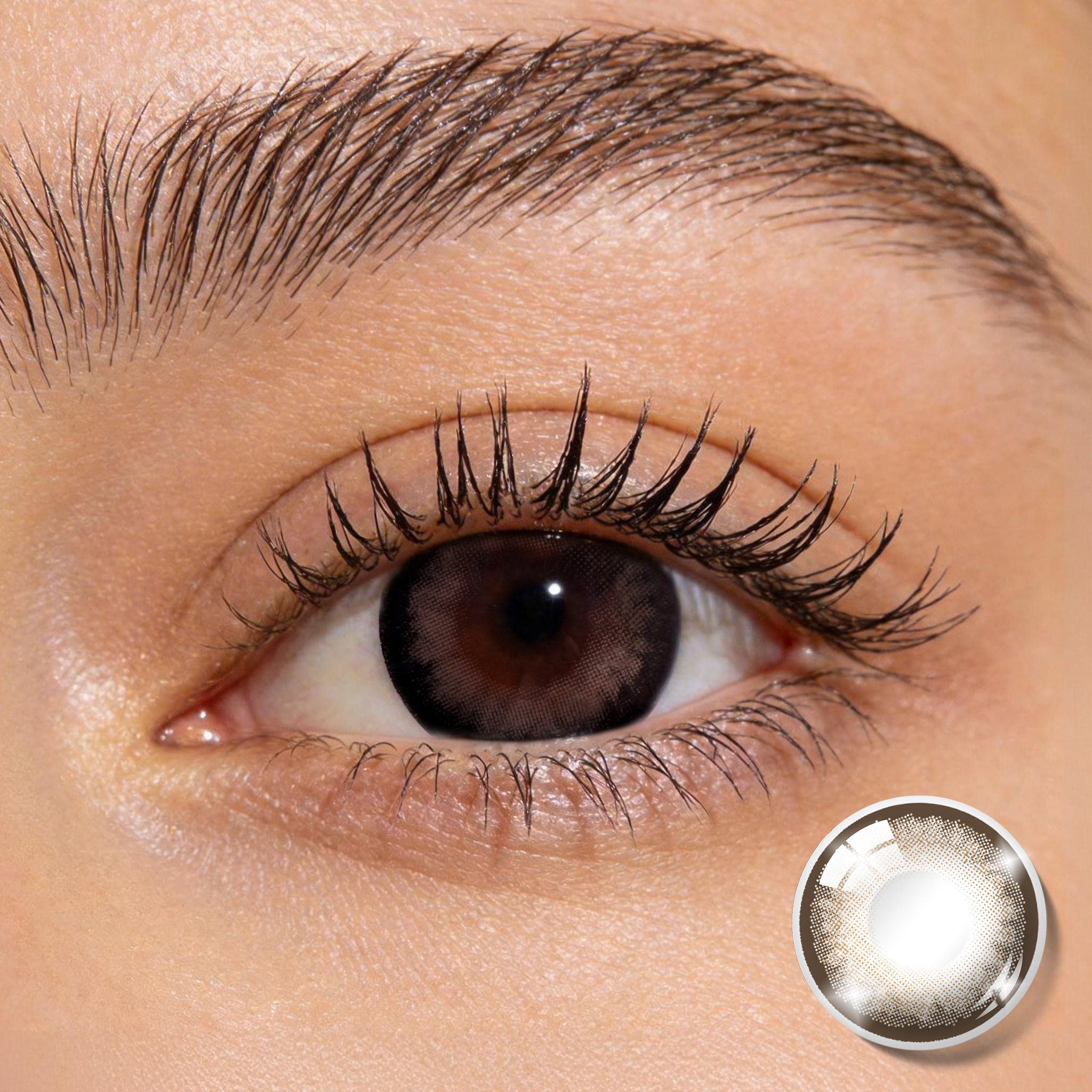
Toffee Brown belongs on your shortlist if you want a warm brown direction. Its gallery is useful for assessing brown and amber tones together. Consider whether that warmth matches the change you want.
This is a styling suggestion, not a claim that brown always looks subtle. Check the eye photograph before deciding. Pay attention to the brightness and visible border, rather than assuming a brown name means minimal change.
Explore Toffee Brown's photos and available options.
Butterscotch Ray: Explore Honey-Amber Warmth
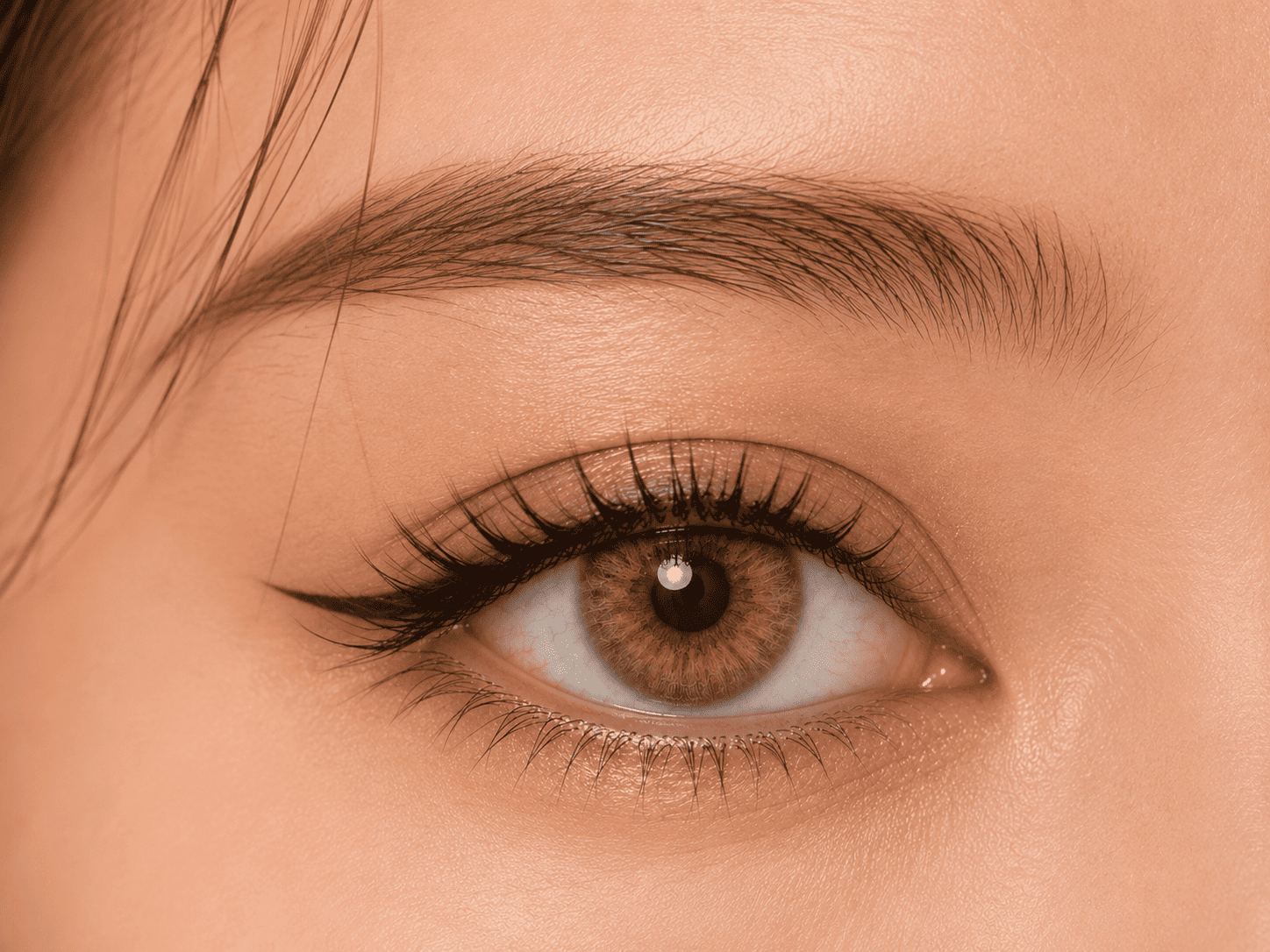
Butterscotch Ray offers a honey-brown and amber direction. Use it as a middle reference when straightforward brown feels too familiar. It is also worth comparing when olive tones are outside your preferred palette.
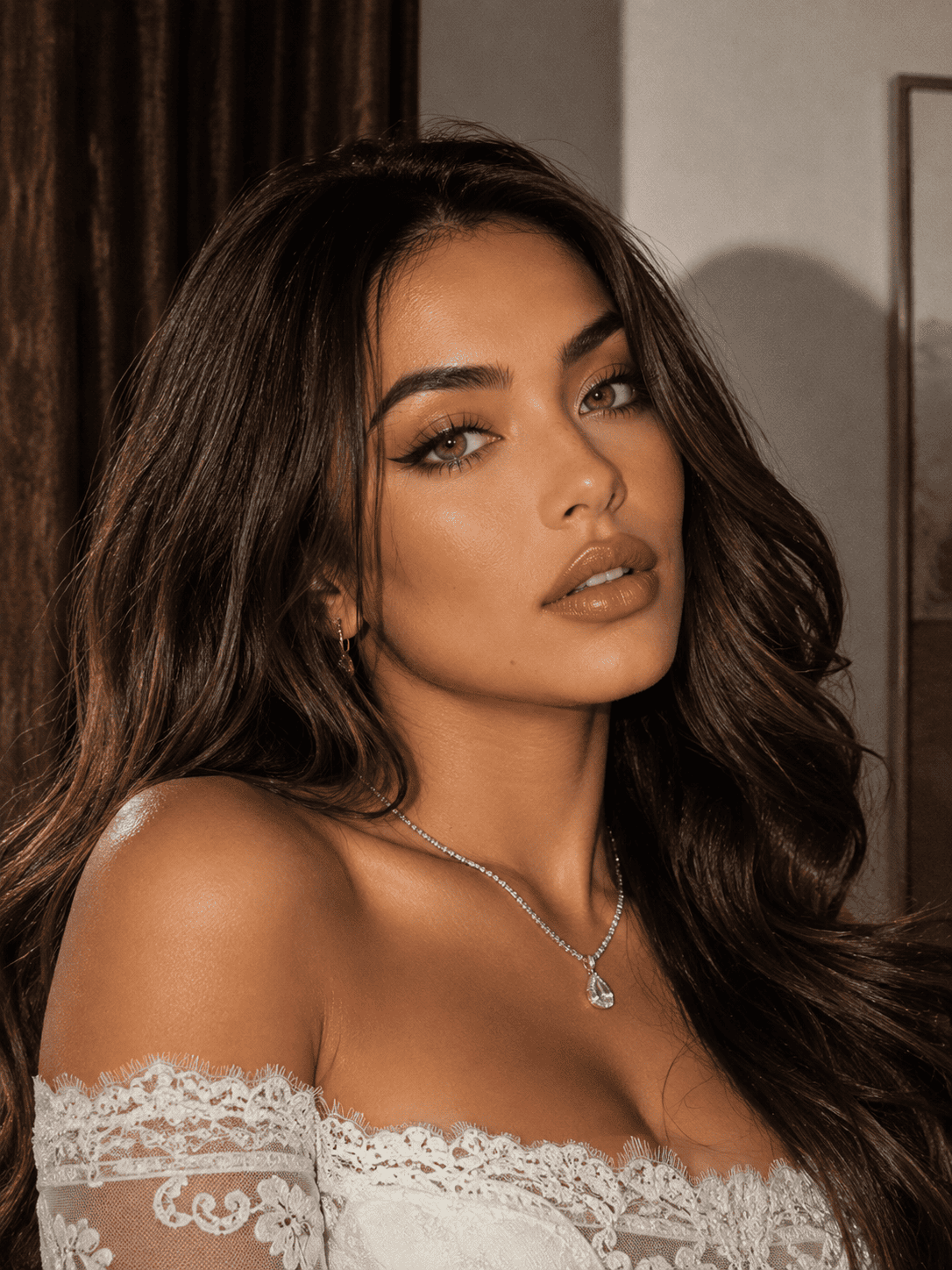
Its current product gallery includes eye and model photographs. Compare both views before deciding how noticeable you want the color to feel. Keep the photographed lighting in mind when judging the golden appearance.
See Butterscotch Ray's honey-amber product gallery.
Mossy Hazel: Add an Olive-Brown Direction
Mossy Hazel is presented as a warm olive-green and brown blend. It gives this comparison a greener reference. Consider it when you want your shortlist to extend beyond brown and amber.
Look at how the green and brown areas appear together in the eye photograph. Decide whether that combination fits your everyday look. Avoid expecting every hazel lens to produce the same shade of green.
Compare Mossy Hazel's olive-brown photos and options.

How to Choose Between Brown, Amber, and Hazel
For a Familiar Everyday Look
Begin with the brown direction if your main goal is continuity. Compare the lens shade with your own iris in ordinary daylight. Look for the amount of change you would enjoy without makeup.
Ask a practical question: would you still choose this color with your usual clothes and hairstyle? A beautiful close-up can attract attention. A full-face view helps you decide whether the overall look feels like you.
For a Golden Makeup Palette
Compare brown and honey amber alongside your usual bronze, peach, or neutral makeup. These are styling combinations to explore, not rules about skin tone. Your personal preference matters more than a fixed undertone formula.
- Choose the brown reference if you prefer less emphasis on gold.
- Choose the amber reference if golden warmth is your main goal.
- Check both against your everyday makeup, not just an occasion look.
For a Visible but Wearable Change
Include olive hazel when you want to try a different color family. Compare its green-brown mix with the amber reference. This makes the choice more specific than asking whether all hazel contacts look natural.
You can also compare photographs with your preferred clothing colors nearby. Olive, white, black, and muted pink can create different styling impressions. There is no required palette; use the comparison to discover what you enjoy.
For Value Beyond the Price Tag
Compare the current price, package contents, available powers, and replacement instructions on each product page. Offers can change. Avoid making your choice from an old discount mentioned in a blog or social post.
Think about whether you prefer one versatile shade or different colors for different occasions. Purchase only lenses appropriate for your prescription and fit. A lower price does not make an unsuitable lens a better choice.
A Simple Checklist Before You Choose
- Name your goal: familiar brown, golden warmth, or an olive-green change.
- Compare the pattern: inspect the printed border and center transition.
- Review two views: use an eye close-up and a full-face photograph.
- Check your options: confirm package contents, available powers, and current product details.
- Confirm suitability: follow your eye care professional's prescription and fitting advice.
If two shades still feel equally appealing, choose the one closest to your everyday styling goal. You can appreciate a dramatic photograph without wanting that effect daily. A specific preference is more useful than a universal best-color ranking.
New to the process? Our colored contacts beginner guide provides a starting overview.
Put Fit and Care Before Color
In the United States, colored contacts require a valid prescription, including lenses without vision correction. An eye examination and proper fitting still matter. The FDA's guidance on colored and decorative contact lenses explains these requirements.
Follow the prescribed wearing schedule and the product's cleaning, disinfection, and replacement instructions. A six-month replacement label does not mean continuous wear. Remove lenses and seek prompt professional advice for pain, redness, or reduced vision.

Frequently Asked Questions
Are brown or hazel contacts more natural on dark eyes?
Neither is always more natural. Brown may stay closer to your original color family. Hazel adds tonal variety. Judge the actual pattern, your preferred contrast, and photographs rather than relying on the shade name.
Will hazel contacts look green on dark brown eyes?
Some hazel designs include olive-green tones, while others lean gold or brown. The result depends on the design and your iris. Check the specific product gallery before expecting a green finish.
Are honey amber and hazel the same color?
The names can overlap between brands. Honey amber usually describes a golden-brown direction. Hazel often describes a brown, gold, and green blend. Compare the photographs because naming conventions are not standardized.
Why do contacts look brighter in model photographs?
Lighting, camera exposure, editing, and original eye color can affect the picture. Bright photographs are useful styling references. They do not guarantee the same brightness in an indoor mirror.
Do I need a prescription for zero-power colored contacts?
Yes, in the United States. Zero-power lenses still require a valid prescription and appropriate fitting. Follow local requirements and your eye care professional's guidance before buying or wearing colored contacts.
Can I choose these lenses by color alone?
No. Confirm prescription, fit, care requirements, and replacement instructions as well. This article compares appearance. It does not establish which lens is medically suitable for your eyes.
Find Your Preferred Brown or Hazel Direction
Start with warm brown for a familiar color family. Compare honey amber when you want more gold. Include olive hazel when a green-brown change appeals to you. Use existing product images to narrow the choice.
Explore the available shades, then confirm the product details and suitability before ordering.
Compare Brown and Hazel Shades