.jpg?w=1000&h=350)

What Is Sandwich Technology in Colored Contacts?
Sandwich technology refers to a layered manufacturing method used in modern colored contact lenses. Instead of placing pigment directly on the surface of the lens, the color is sealed between two transparent layers of material. This creates a structure where the dye is completely enclosed, preventing it from coming into direct contact with the eye.
This design is considered a major upgrade from older coloring methods. Traditional lenses often applied pigment on or near the surface, which could lead to discomfort, fading, or uneven color distribution over time. In contrast, sandwich technology ensures that the lens surface remains smooth and consistent, which directly improves the wearing experience.
Because the pigment is embedded inside the lens, users can enjoy both aesthetic enhancement and a higher level of safety. This is why most premium colored contacts today rely on this method as a standard feature rather than an upgrade.
Why Pigment Never Touches Your Eye
Understanding the Layered Structure
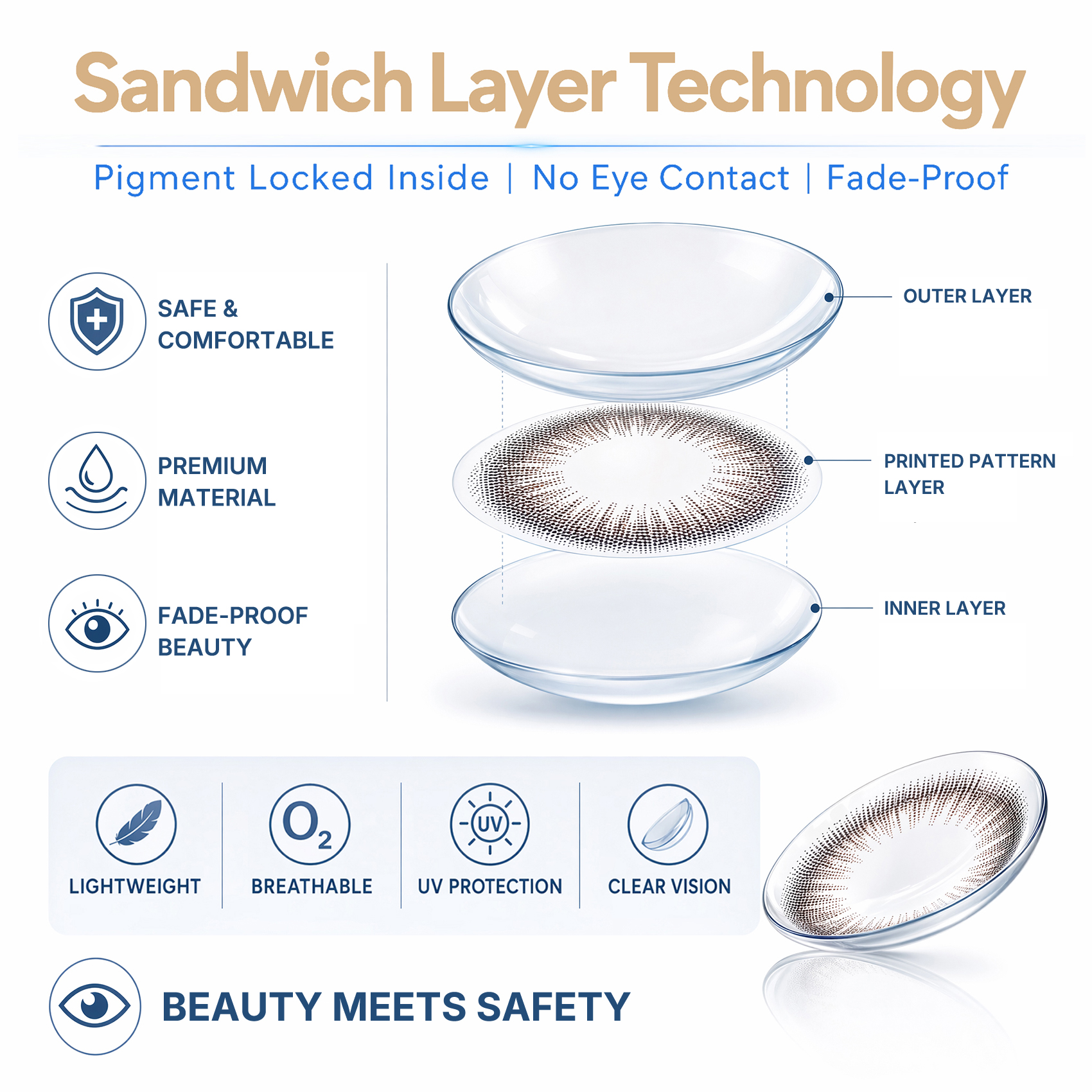
The key to sandwich technology lies in its multi-layer construction. Each layer serves a specific purpose, working together to create a safer and more comfortable lens.
The innermost layer is the part that sits directly on your eye. It is designed to be smooth, breathable, and compatible with natural tear flow. The middle layer contains the pigment, which is fully sealed and isolated from external contact. The outer layer acts as a protective barrier, ensuring that the lens surface remains soft and non-irritating.
This structure works much like a protective coating over paint. You can clearly see the color, but physically, it is never exposed. As a result, the risk of pigment-related irritation is significantly reduced.
The structure works like a “sandwich”.
- Inner layer touches your eye
- Middle layer contains pigment
- Outer layer protects the surface
Simple Explanation
Think of it like glass covering paint.
You see the color, but never touch it.
This reduces irritation and improves safety.
Key Benefits of Sandwich Technology
1. Higher Safety Level
Because pigment is sealed inside:
- No dye leakage
- Lower risk of irritation
- Safer for long-term wear
For general safety, refer to FDA guidelines.
One of the most important advantages of sandwich technology is the increased level of safety it provides. Since the pigment is locked inside the lens, there is no risk of dye particles interacting directly with the surface of the eye. This minimizes potential irritation and makes the lenses more suitable for extended or repeated use.
Health organizations like the FDA emphasize the importance of lens material and construction in reducing eye-related risks. A sealed pigment layer aligns well with these safety principles.
2. Better Wearing Comfort
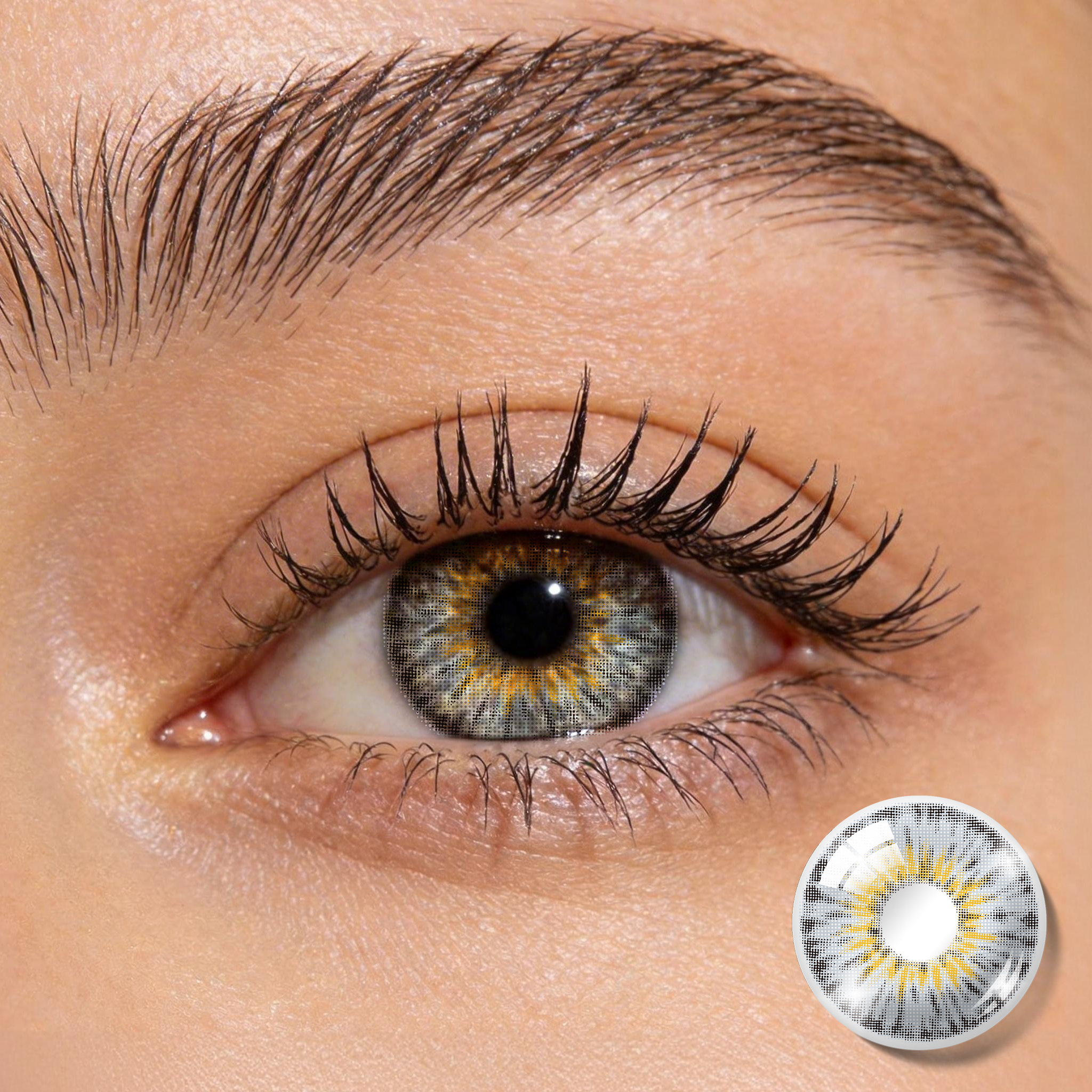
The outer surface stays smooth.
- Less friction on the eye
- More stable hydration
- Suitable for beginners
3. More Natural Appearance
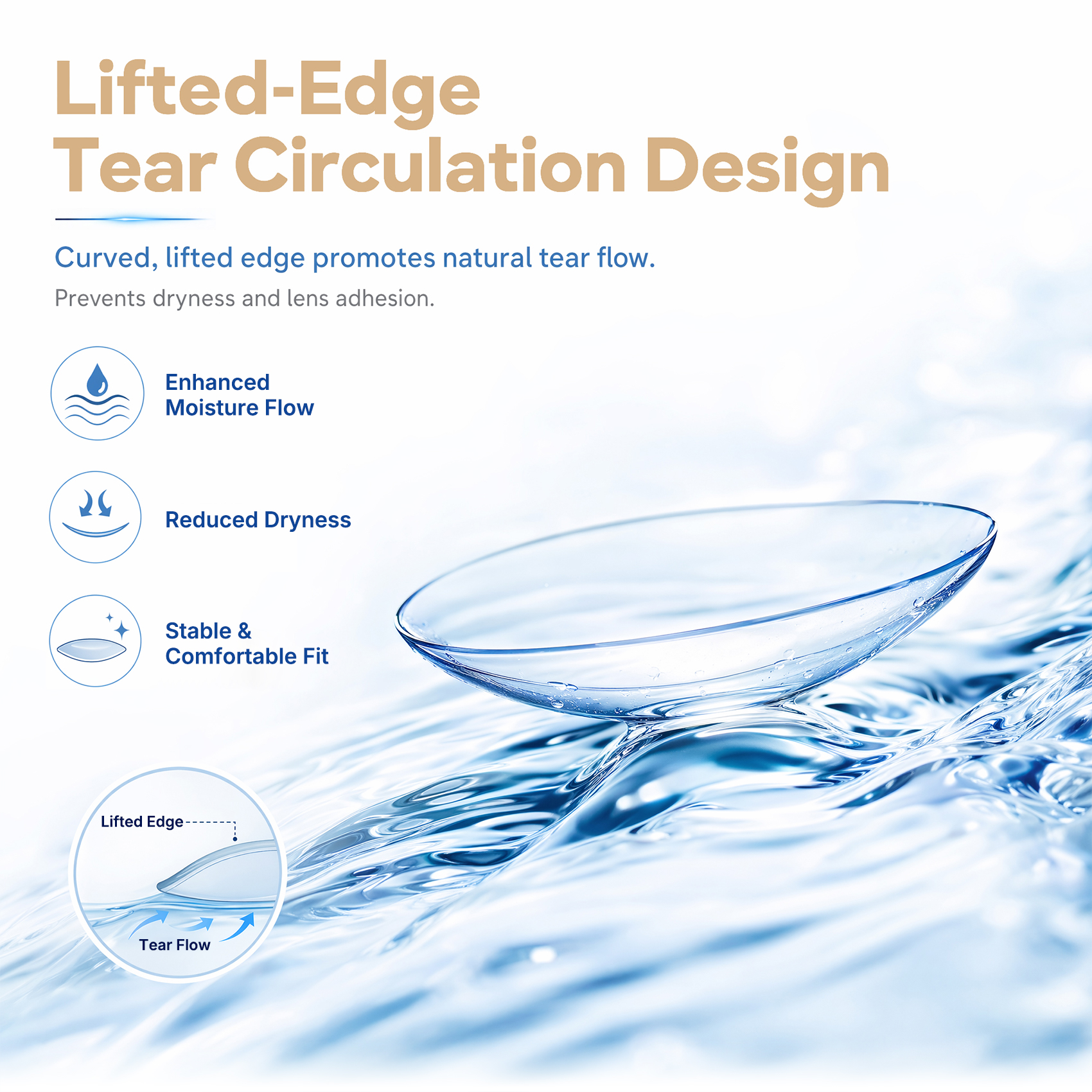
Colors appear softer and more blended.
- No harsh edges
- Better transition with iris
- More realistic effect
👉 Explore natural styles:

Sandwich Tech vs Traditional Dyeing Methods
Surface Dye vs Embedded Pigment
Traditional lenses often place color on the surface.
- Easier to fade
- May feel rough
- Higher irritation risk
Sandwich technology solves these issues.
- Protected pigment layer
- Longer-lasting color
- Improved comfort
How Sandwich Technology Improves Lens Durability
Sandwich technology also increases lens lifespan.
Color Stability Over Time
Because pigment is sealed:
- Less exposure to air and tears
- Reduced fading
- Consistent color effect
This is important for 6-month lenses.
Stronger Lens Structure
The layered construction used in sandwich technology does more than protect pigment.
It also reinforces the overall structure of the lens, making it more stable during daily use.
Unlike single-layer lenses, where the material is more exposed to external stress, a multi-layer design distributes pressure more evenly. This helps the lens maintain its original shape even after repeated insertion, removal, and cleaning. Over time, this structural stability becomes especially noticeable, particularly for lenses designed for longer replacement cycles like 6-month wear.
Another key advantage is resistance to micro-damage. Small tears or surface imperfections are less likely to develop because the outer layer acts as a protective shield. This reduces the chances of discomfort caused by uneven edges or minor defects.
- More resistant to bending and small tears
- Maintains curvature for consistent vision
- Less prone to surface wear over time
- Performs better under frequent handling
For users who wear lenses regularly, this added durability translates into a more reliable experience. The lenses not only last longer but also feel more consistent from day one to the end of their usage cycle.
👉 Shop 6-month lenses:
Why Premium Brands Use Sandwich Technology
Higher-end brands prioritize safety and quality.
Advanced Manufacturing Standards
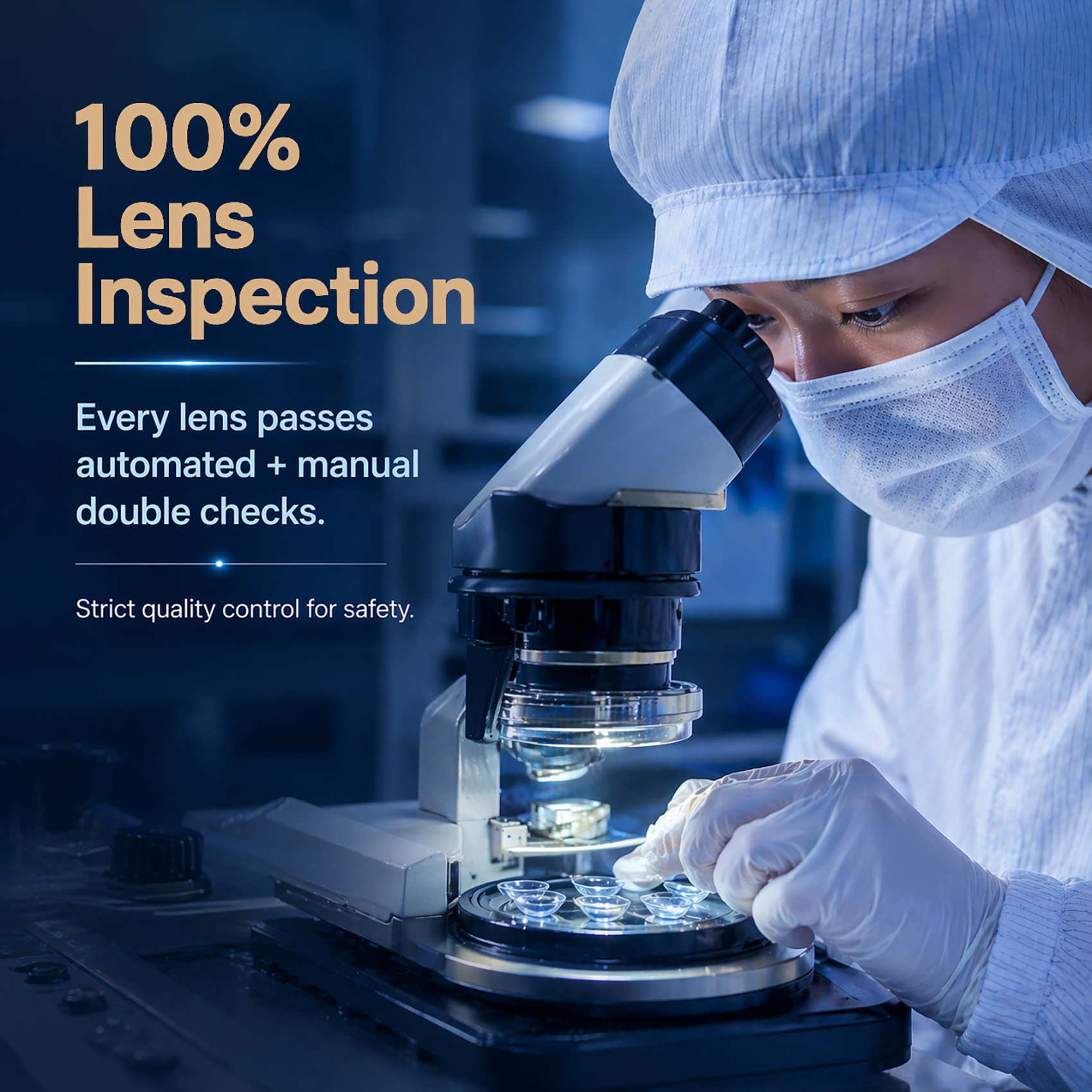
Production focuses on:
- Even pigment distribution
- Smooth lens surface
- Consistent quality
Is Sandwich Technology Completely Safe?
Sandwich technology is widely considered one of the safest coloring methods used in modern colored contact lenses, but it is important to understand that no contact lens technology can guarantee complete safety under all circumstances.
What sandwich technology does exceptionally well is reduce one specific risk: direct exposure of the eye to color pigment. By sealing the pigment between transparent lens layers, it eliminates the possibility of dye particles interacting with the cornea or causing surface friction. This significantly improves comfort and reduces irritation compared to older surface-printing methods.
However, lens safety depends on much more than pigment placement alone.
Even the most advanced contact lens can become unsafe if it is worn improperly, cleaned incorrectly, or used beyond its recommended replacement cycle. In other words, sandwich technology creates a safer product foundation, but user habits ultimately determine the real-world safety of the lenses.
Why Sandwich Technology Is Safer Than Traditional Coloring Methods
Traditional colored contacts often place pigment closer to the lens surface. Over time, repeated wear and cleaning may affect that surface, which can increase the risk of roughness, fading, or discomfort.
Sandwich technology improves this by creating a sealed barrier between the pigment and the eye.
This offers several important advantages:
- Prevents direct pigment contact
- Maintains a smoother lens surface
- Reduces surface irregularities
- Helps preserve comfort during repeated wear
For users with sensitive eyes, these benefits can make a noticeable difference in day-to-day comfort.
What Still Matters for Safe Lens Wear
Even with advanced construction, proper lens care remains essential.
Many contact lens issues are not caused by manufacturing flaws, but by incorrect usage habits. According to recommendations from the Centers for Disease Control and Prevention and FDA, users should always follow strict hygiene practices.
Safe habits include:
- Washing hands before handling lenses
- Cleaning lenses with approved solution only
- Replacing solution daily
- Never sleeping while wearing lenses
- Following the recommended replacement schedule
Skipping these steps can increase the risk of irritation, dryness, or infection, regardless of lens technology.
Is It Safe for Daily Wear?
For most users, yes.
When properly fitted and cared for, sandwich technology lenses are generally safe for regular daily use. Their smooth surface and protected pigment layer often make them more comfortable than lower-quality alternatives.
That said, wearing time still matters.
Most eye care professionals recommend limiting wear to around 6–8 hours per day, especially for newer users or those with naturally dry eyes. Giving your eyes regular breaks helps maintain moisture and reduces strain.
The Bottom Line
Sandwich technology is not a magic shield, but it is a major improvement in colored lens design.
It reduces avoidable risks, improves comfort, and offers a safer wearing experience compared to traditional pigment-printing methods.
When combined with proper care and responsible wear habits, it represents one of the best options currently available for people who want both eye safety and beautiful color enhancement.