.jpg?w=1000&h=350)

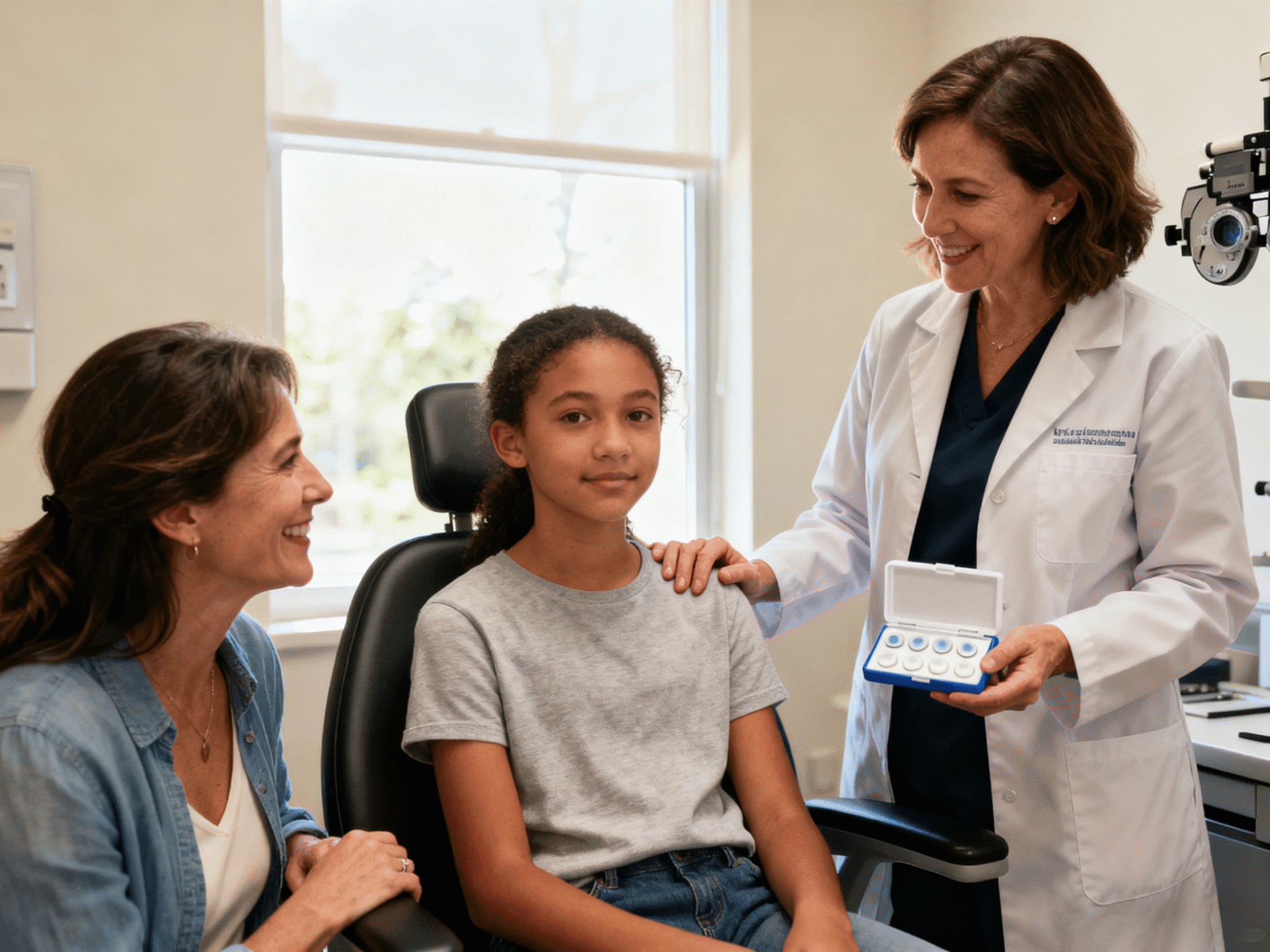
That question is popping up more and more in your house: "Mom, Dad, can I get contact lenses?" It might come from a desire to look different, to feel more confident in sports, or simply to break free from the frames they've worn for years.
As a parent, your first thought is likely about safety. You're not alone. The good news is that there's no single "magic age" when a child is ready for contacts. Readiness is less about the number on a birthday cake and more about responsibility, maturity, and motivation.
This guide will help you navigate this decision and understand the real factors that determine if your child is ready.
Beyond Age: The 4 Key Signs of Readiness
While many eye doctors agree that children can often start handling contacts between ages 11 and 14, your observations at home are just as important. Look for these signs:
1. Demonstrates Personal Responsibility
Does your child already handle their daily tasks without constant reminders?
- Do they maintain good personal hygiene (brushing teeth, showering)?
- Do they keep their room and belongings relatively organized?
- Can they reliably follow multi-step instructions?
These are strong indicators that they can handle the non-negotiable routine of cleaning and caring for contact lenses.
2. Has the Right Motivation
Is their desire for contacts driven by a positive reason?
- Sports & Activities: Glasses can slip, fog up, or break during soccer, dance, or swimming. Contacts offer clear, unobstructed vision and greater safety.
- Self-Esteem: For some kids, glasses can be a source of teasing or self-consciousness. Wanting to feel more confident is a valid and powerful motivator that can encourage adherence to the care routine.
- Convenience: Simply preferring the freedom of not worrying about glasses is a mature reason.
3. Shows an Interest in Eye Health
Are they willing to listen and learn? A child who is genuinely interested will pay close attention to the eye doctor's instructions about proper insertion, removal, cleaning, and safe wear schedules.
4. Has the Necessary Motor Skills
This is a practical but crucial point. Can your child gently touch their own eye without flinching? The optometrist will help assess this during a trial fitting.
The Role of the Eye Doctor: Your Greatest Ally
This decision should always be made in partnership with an eye care professional. During an appointment, the doctor will:
- Conduct a Comprehensive Eye Exam: Ensure your child's prescription is up-to-date and that their eyes are healthy enough for contacts.
- Provide Hands-On Training: They will teach your child—and often the parent—exactly how to handle, insert, remove, and clean the lenses. They are experts at coaching nervous beginners.
- Recommend the Best Lens Type: For most kids and teens, daily disposable lenses are the #1 recommended choice. They are the healthiest and easiest option because there is no cleaning or storage required. Your child simply wears a fresh, sterile pair each morning and throws them away at night, drastically reducing the risk of infection.
The Parent's Role: Support and Supervision
Even if your child is highly responsible, your involvement is key to success.
- Be a Cheerleader: The first few days can be frustrating. Offer encouragement and patience.
- Create a Consistent Routine: Help them establish a specific time and place for lens care.
- Watch for Red Flags: Be alert for signs of problems like red eyes, complaints of pain, or increased sensitivity to light, and ensure they know to tell you immediately if anything feels wrong.
- Schedule Follow-ups: Ensure they attend all follow-up appointments with the eye doctor.
Your Readiness Checklist:
- My child shows responsibility in their daily habits.
- Their motivation for wanting contacts is clear and positive.
- We have scheduled an appointment with an optometrist or ophthalmologist.
- We are prepared to discuss daily disposable lenses as the safest option.
- I am ready to provide supportive supervision during the learning process.
The Bottom Line:
The decision to let your child start wearing contacts is a big one, but it can be an incredibly positive step toward their independence and self-confidence. By focusing on their maturity and partnering with your eye doctor, you can confidently help them take this next step safely.
Ready to start the conversation? Find a trusted eye doctor near you and schedule a consultation to see if your child is a good candidate for contact lenses.