.jpg?w=1000&h=350)

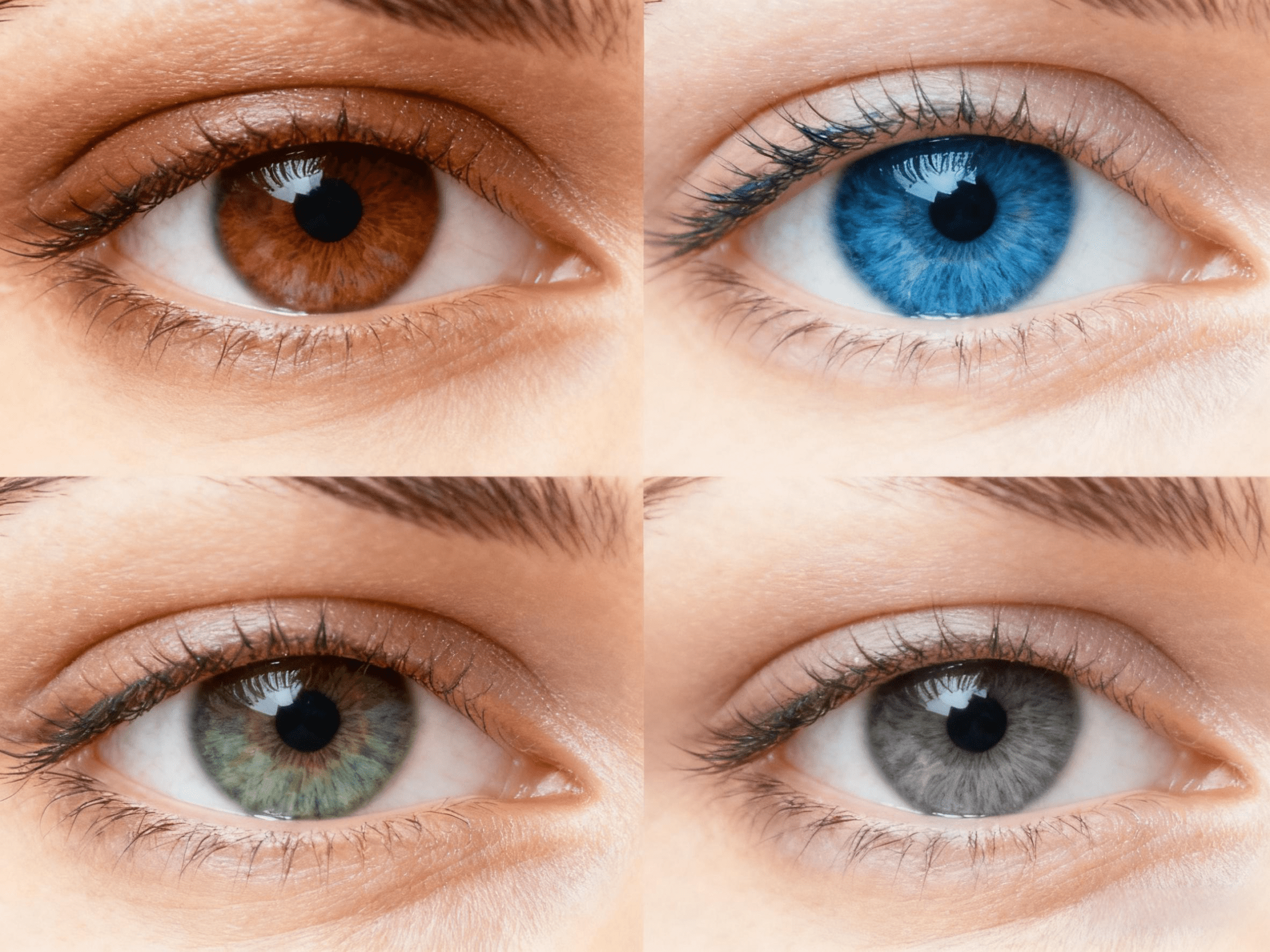
They say the eyes are the windows to the soul - but could they also be windows to our personality, health predispositions, and even how others perceive us? While your eye color doesn't determine your destiny, emerging research reveals fascinating connections between iris pigmentation and various biological traits.
Let's explore what science says about the story behind your stare.
The Genetics of Eye Color: More Than Just Aesthetics
Your eye color is determined by the amount and distribution of melanin in your iris - the same pigment that gives your skin and hair their color. But this genetic lottery does more than just create beautiful variations:
- Brown eyes dominate globally due to their genetic dominance
- Blue eyes resulted from a genetic mutation about 6,000-10,000 years ago
- Green/hazel eyes represent a complex interplay of multiple genes
- Gray eyes contain minimal melanin with collagen deposits that scatter light
What Research Reveals About Each Eye Color
Brown Eyes: The Perceived Leaders
Studies consistently show people perceive brown-eyed individuals as more trustworthy and dominant. A 2017 study found they're often seen as more competent in leadership roles. Biologically, the higher melanin content may offer better protection against UV damage, potentially reducing risks of certain eye conditions.
Blue Eyes: The Light-Sensitive Innovators
Research suggests blue-eyed people may be better at strategic thinking and excel in activities requiring constraint and focus. Their increased light sensitivity isn't just physical - some studies indicate they might process information differently due to how light enters the eye.
Green/Hazel Eyes: The Mysterious Balancers
Possessing moderate melanin levels, green-eyed individuals often show traits of both brown and blue-eyed patterns. Some research links them to stronger pain tolerance and creative problem-solving abilities.
Gray Eyes: The Rare Adaptors
The rarest eye color may come with unique advantages. Early evidence suggests gray-eyed people might handle stress more effectively and display remarkable emotional flexibility.
The Personality Connection: What the Studies Show
While correlation doesn't equal causation, multiple studies have found intriguing patterns:
- A Czech study found significant personality differences between brown and blue-eyed participants
- Research from the University of Queensland noted eye color correlations with temperament
- Several studies link lighter eyes to increased creativity and strategic thinking
- Darker eyes often correlate with quicker reaction times in athletic activities
How Others Perceive Your Eye Color
Your eye color influences first impressions in surprising ways:
- Job interviews: Lighter-eyed applicants were rated more positively in some studies
- Social interactions: People more readily trust brown-eyed individuals
- Romantic attraction: Unusual eye colors often rate as more memorable and attractive
- Professional settings: Darker eyes are subconsciously associated with authority
The Health Connections
Beyond personality perceptions, your eye color might indicate certain health predispositions:
- Lighter eyes have higher risks of UV-related conditions but may have lower risks of vitiligo
- Darker eyes show lower risks of macular degeneration but higher risks of cataracts
- All eye colors can develop similar vision problems, making regular check-ups essential
Beyond Biology: The Cultural Lens
Throughout history, different cultures have attributed mystical qualities to various eye colors:
- Ancient Greeks believed blue eyes could curse with a single glance
- Medieval Europe associated green eyes with witchcraft
- Many cultures considered brown eyes as representing stability and earth connection
- Today, rare eye colors are often romanticized in media and literature
The Most Important Truth
While these scientific correlations are fascinating, remember that your eye color is just one small part of your unique story. The true "window to your soul" isn't the color of your iris, but how you choose to see the world and interact with others.
Your eyes are uniquely yours - not because of their color, but because of what they've seen, how they've perceived the world, and the light they share with others when you smile.