.jpg?w=1000&h=350)

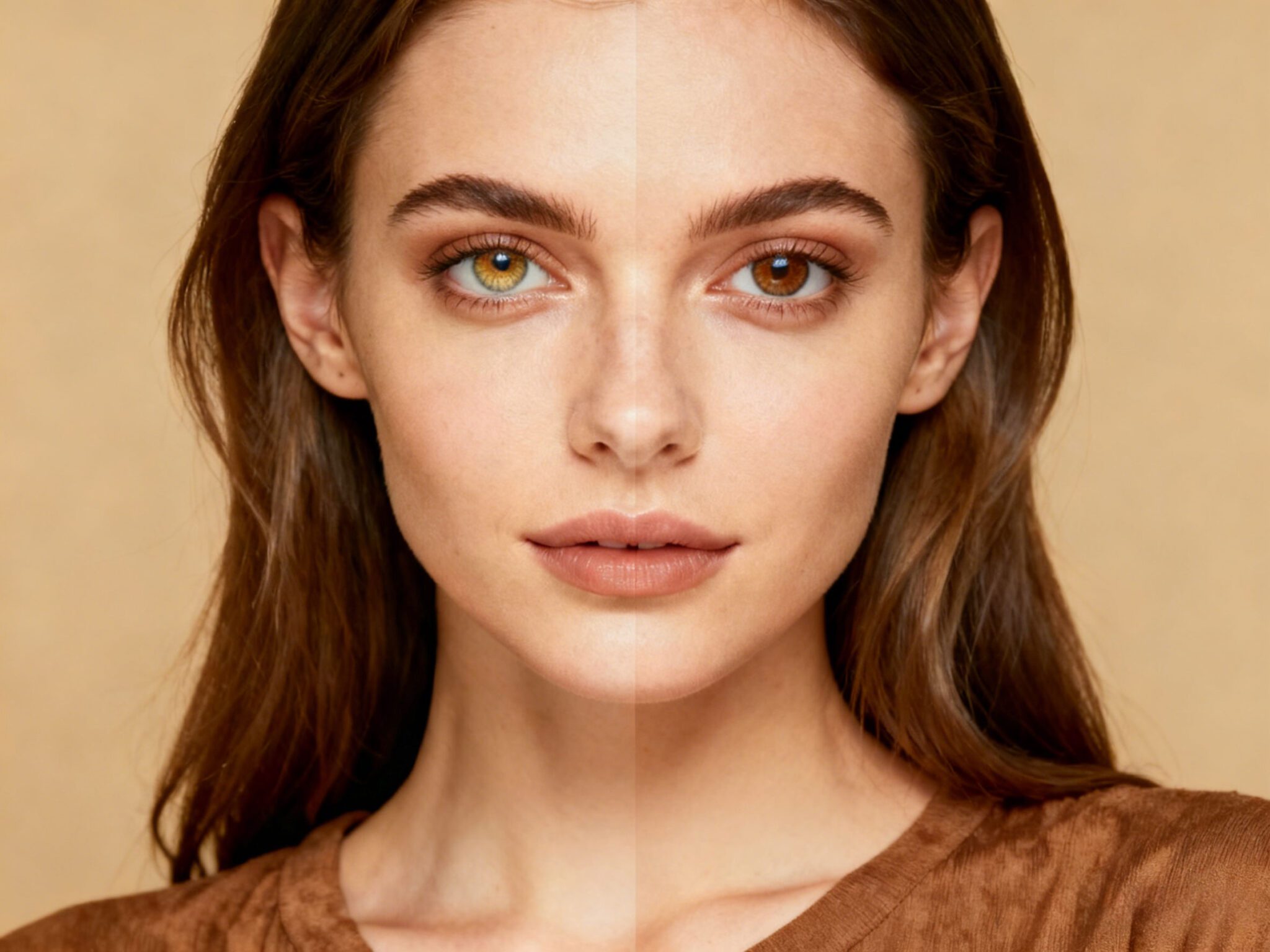
In 2025, we surveyed 2,500 contact lens users and non-users across the U.S. and Europe to answer a simple yet divisive question: When it comes to daily style and eye health, do people prefer colored contacts or their natural eyes? The results? A clear split between aesthetic desire and safety caution—with surprising insights into how age, lifestyle, and awareness shape choices. Below, we break down the survey’s key findings, debunk myths, and share expert takeaways to help you make informed decisions.
Key Survey Snapshot: Preference by the Numbers
The survey revealed that preference isn’t black-and-white—it’s deeply tied to context. While 58% of respondents said they “love their natural eye color” for everyday comfort, 42% opt for colored contacts regularly. But when we dug into specific scenarios and demographics, the split shifted dramatically.
1. Preference by Scenario: Occasion Trumps Loyalty
- Daily Life (Work/School): 73% choose natural eyes. “I don’t want to fuss with lenses during back-to-back meetings,” says Sarah, 32, a corporate lawyer and survey respondent. “My brown eyes feel ‘me’—no risk of dryness or discomfort mid-day.”
- Special Occasions (Weddings/Parties): 68% switch to colored contacts. Amber and honey tones were the top picks (34%), followed by subtle gray (22%). “Colored lenses make my eyes pop in photos without heavy makeup,” explains Jake, 28, a marketing specialist who wears contacts for events.
- Social Media/Content Creation: 81% of Gen Z (18-24) prefer colored contacts. Bold hues like emerald green and violet ranked highest, with 65% citing “self-expression” as the main driver. “My natural blue eyes are nice, but hazel contacts fit my Instagram aesthetic better,” says Mia, 21, a content creator.
2. Preference by Age: A Generational Divide
Age emerged as the biggest predictor of preference:
- Gen Z (18-24): 59% wear colored contacts regularly (most often daily disposables).
- Millennials (25-34): 41% wear contacts occasionally (mostly for events or travel).
- Gen X (35-54): 18% wear contacts—safety and comfort are top priorities over style.
- Boomers (55+): 3% wear colored contacts; 97% prefer natural eyes or prescription glasses.
“Younger generations see colored contacts as a temporary accessory, like lipstick or earrings,” notes Dr. Lisa Wong, an ophthalmologist who helped analyze the survey data. “Older groups tend to view them as ‘medical devices’—something to avoid unless necessary.”
Safety Concerns: Myths vs. Survey Reality
Safety was the top concern for 79% of non-users—and it’s where the biggest myths live. Our survey compared perceptions to real-world data, with eye-opening results:
Myth 1: “Colored contacts are way more dangerous than natural eyes.”
Reality: 82% of contact-related eye issues (dryness, irritation, mild infections) stem from user error (reusing daily lenses, poor hand hygiene, skipping exams)—not the lenses themselves. Natural eyes aren’t “risk-free” either: 15% of respondents reported eye irritation from allergies or digital eye strain, which colored contacts don’t cause.
“The danger comes from cheap, unregulated lenses or bad habits—not the color,” Dr. Wong emphasizes. “FDA-approved colored contacts are just as safe as clear ones when used correctly.”
Myth 2: “People who wear colored contacts don’t care about eye health.”
Reality: 67% of regular colored contact wearers see an optometrist every 6 months (the recommended frequency), compared to 52% of non-users. “I’m more careful with my eyes because I wear contacts,” says Jake. “I never skip exams—last year, my doctor caught early dry eye and switched me to a more breathable lens.”
Myth 3: “Natural eyes require no maintenance.”
Reality: Only 38% of non-users follow basic eye health habits (like wearing UV protection, taking screen breaks, or avoiding rubbing eyes). “Your natural eyes need care too,” Dr. Wong says. “Colored contact wearers often develop better habits because they’re more attuned to their eye health.”
Expert Guide: Choosing What’s Right for You
Whether you’re team “natural eyes” or team “colored contacts,” the survey and experts agree: The best choice depends on your lifestyle, habits, and priorities. Here’s how to decide:
Choose Colored Contacts If…
- You’re willing to invest in FDA-approved lenses (avoid costume or online knockoffs).
- You can commit to proper hygiene (wash hands, replace lenses on schedule, use fresh solution).
- You see an optometrist regularly to check for fit and eye health.
- You want temporary style flexibility (e.g., subtle enhancement for work, bold hues for events).
Stick to Natural Eyes If…
- You have sensitive eyes (e.g., chronic dry eye, allergies) that don’t tolerate contacts.
- You’re not willing to follow strict care routines (e.g., you travel often and can’t carry lens supplies).
- Style isn’t a priority—comfort and minimal maintenance are key.
- You prefer a “no-fuss” look that feels 100% authentic to your identity.
The Bottom Line: It’s About Choice, Not Superiority
Our 2025 survey proves there’s no “winner” between colored contacts and natural eyes—only what works for you. Gen Z’s love for colored lenses isn’t about rejecting their natural features; it’s about self-expression. Older generations’ preference for natural eyes isn’t about being “anti-style”; it’s about comfort and caution. Both are valid.
“The goal shouldn’t be to pick one over the other,” Dr. Wong says. “It’s to make informed choices that protect your eye health—whether that means rocking amber contacts for a party or embracing your natural green eyes every day.”
At the end of the day, healthy eyes—no matter their color—are the most beautiful ones.
Survey Methodology: 2,500 respondents (1,300 U.S., 1,200 Europe), ages 18-75, surveyed between January-March 2025. Respondents included 1,100 colored contact wearers, 800 clear contact wearers, and 600 non-contact users. Margin of error: ±2.1%.