.jpg?w=1000&h=350)

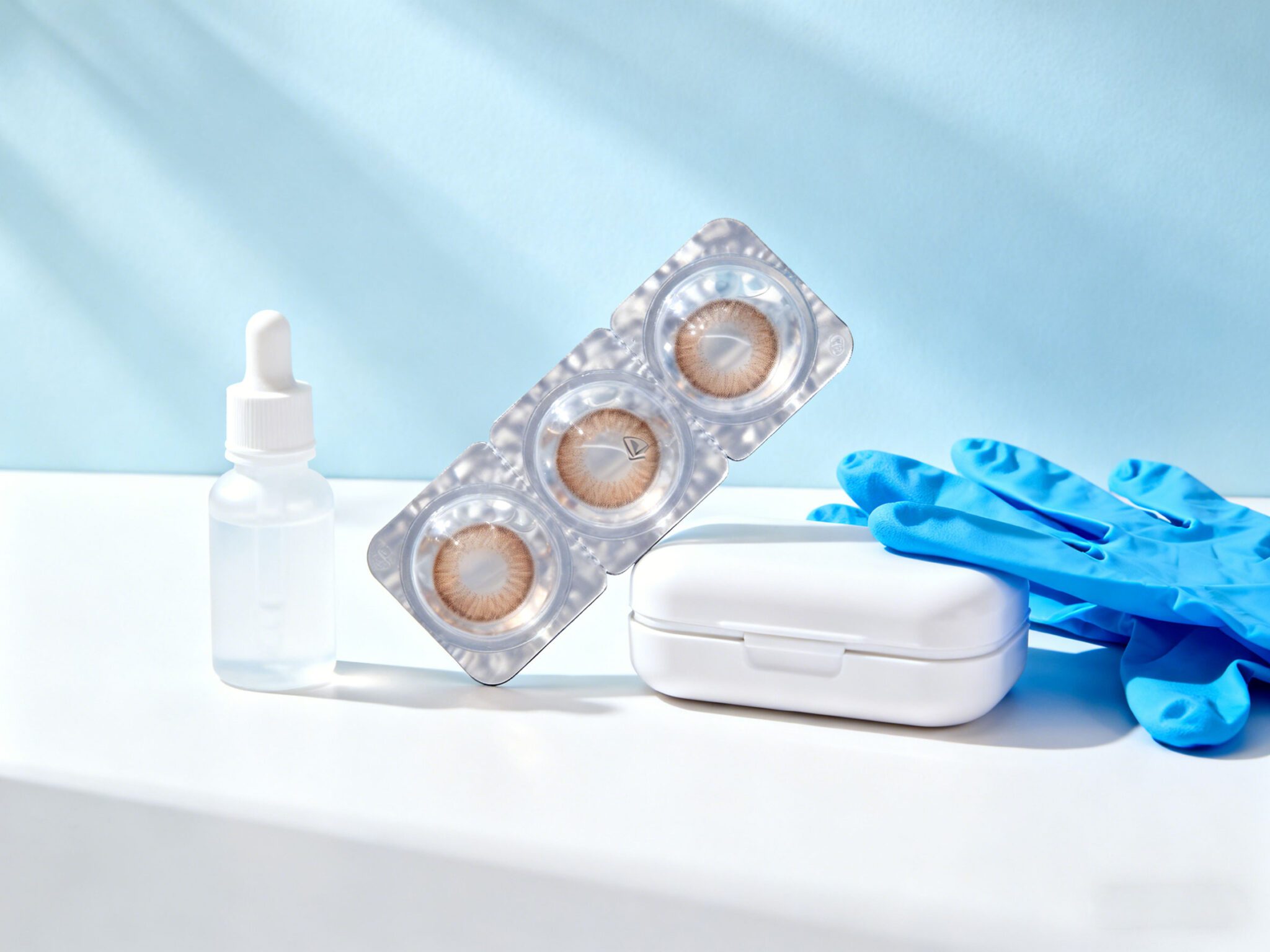
Coloured contacts blend beauty and function—but unlike a lipstick or eyeshadow, they’re classified as medical devices by regulatory bodies worldwide, including the FDA (U.S.) and CE (EU). A 2025 report from the World Health Organization (WHO) found that 72% of contact lens-related eye infections stem from “unsafe product choices or improper use.” The question isn’t just “which coloured contacts are safe”—it’s “how to identify safety signals, avoid hidden risks, and protect your eyes while enhancing your look.” This guide breaks down everything you need to know, from regulatory red flags to expert-approved picks.
First: What Makes a Coloured Contact Lens “Safe”?
Safe coloured contacts share three non-negotiable traits—regardless of brand, price, or style. These are the baseline standards to verify before buying:
1. It Has Official Regulatory Certification
The most critical safety marker is third-party certification. In the U.S., this means the lens is FDA-listed; in the EU, look for the CE mark; in Asia, check for KFDA (South Korea) or SFDA (China) certification. These labels confirm the lens has passed biocompatibility tests—meaning it won’t irritate your cornea, leach toxic dyes, or block oxygen flow. “Certification isn’t just a sticker,” explains Dr. Elena Marquez, a board-certified ophthalmologist. “It means the manufacturer followed strict guidelines for material safety and production hygiene.”
Red flag: If a product’s packaging or website doesn’t display these certifications (or hides them in fine print), walk away. Counterfeit lenses often use fake “certification logos” — verify by cross-checking the brand’s official website or the regulatory body’s database.
2. It’s Made with Medical-Grade Materials
Safe coloured contacts use either silicone hydrogel or hydrogel—materials that are breathable, moisture-retentive, and soft to the touch. Silicone hydrogel is the gold standard: it lets 5x more oxygen reach your cornea than traditional materials, reducing the risk of dry eye and infections. Cheap, unsafe lenses often use PMMA plastic (a rigid, non-breathable material) or low-quality hydrogel mixed with untested dyes.
How to check: The material type is always listed on the lens box or product page. Avoid any lens labeled “generic material” or “cosmetic grade”—these terms aren’t recognized in medical standards.
3. It Has Clear, Traceable Production Information
Safe lenses include detailed labeling: manufacturer name and address, lot number, expiration date, and country of origin. This information lets you trace the product back to its source if issues arise. “I had a patient who developed a corneal ulcer from lenses bought on Instagram—there was no labeling, so we couldn’t figure out what chemicals were causing the reaction,” Dr. Marquez recalls. “Traceability isn’t just for convenience—it’s for your safety.”
The Biggest Risks: Which Coloured Contacts to Avoid At All Costs
Knowing what’s unsafe is just as important as knowing what’s safe. These are the highest-risk products and channels—even if they’re cheap or trendy:
- Social Media Resellers (TikTok/Instagram/Depop): A 2025 FDA sting operation found that 95% of coloured contacts sold via social media lack certification. Many are manufactured in unregulated factories in Southeast Asia, where dyes are injected directly into the lens (instead of being encapsulated, a safe practice). These dyes can leach into your eye, causing permanent discoloration or allergic reactions.
- Fast-Fashion Platforms (Shein/Wish/AliExpress): Lenses priced under $10 per box are almost always unsafe. They skip sterility tests—70% of samples tested by the American Optometric Association contained bacteria like Pseudomonas aeruginosa, which can cause blindness in 48 hours if it enters the eye.
- Costume or “Novelty” Lenses: Halloween-themed lenses (e.g., cat eyes, neon green) are a major risk. They’re often made with thick, rigid plastic that doesn’t fit the eye properly, scratching the cornea. The FDA warns that even “one-time use” costume lenses can lead to lifelong vision damage.
- Shared or Secondhand Lenses: Contacts are medical devices—never borrow or lend them. Saliva and skin oils transfer bacteria, and even “cleaned” lenses can carry viruses like herpes simplex (which causes eye cold sores).
Your Step-by-Step Guide to Buying Safe Coloured Contacts
Safe shopping doesn’t mean sacrificing style or budget. Follow these four steps to find eye-friendly lenses you’ll love:
Step 1: Get a Comprehensive Eye Exam (Even If You Don’t Need Vision Correction)
This is non-negotiable. An optometrist will measure the shape and size of your eyes (to ensure proper fit) and check for conditions like dry eye or astigmatism (which can make contacts uncomfortable or risky). They’ll also confirm you’re a good candidate for coloured lenses—and provide a prescription (yes, even for non-prescription plano lenses) that lists your eye measurements. “A ‘one-size-fits-all’ lens doesn’t exist,” Dr. Marquez says. “Ill-fitting lenses are just as dangerous as uncertified ones.”
Step 2: Shop Only from Authorized Retailers
Stick to these trusted channels, where products are vetted and traceable:
- Official Brand Websites: Acuvue, Air Optix, and FreshLook (all FDA-listed) sell directly to consumers, ensuring authenticity.
- Licensed Optical Stores: LensCrafters, Pearle Vision, and local optometries stock certified lenses and offer fit checks.
- Certified Online Retailers: 1-800 Contacts, Vision Direct, and ContactsDirect require a prescription and only sell FDA/CE-listed products.
- Major Pharmacies: CVS, Walgreens, and Boots (UK) carry name-brand lenses in sealed, sterile packaging.
Step 3: Verify the Lens Details Before Buying
Before adding to cart, confirm these three things:
- Regulatory certification (FDA/CE/KFDA logo clearly displayed).
- Material type (silicone hydrogel or hydrogel—avoid PMMA).
- Expiration date (don’t buy lenses that expire in less than 6 months).
Step 4: Test for Comfort and Fit
Most retailers offer free samples. Wear the lenses for 2-3 hours at home first—check for redness, dryness, or blurriness. If anything feels off, stop wearing them and consult your optometrist. A good fit should feel “invisible”—you shouldn’t even notice you’re wearing lenses.
Safe Use: How to Keep Your Eyes Healthy (Beyond Buying the Right Lenses)
Even the safest lenses can cause problems if not used properly. Follow these daily care rules:
- Wash your hands with soap and water before handling lenses—dry them with a lint-free towel.
- Use only fresh, contact lens-specific solution (never saliva, water, or peroxide-based cleaners not designed for coloured lenses).
- Replace lenses on schedule: dailies after one use, monthlies every 30 days (don’t “extend” wear to save money).
- Store lenses in a clean case—replace the case every 3 months, and never reuse solution.
- Remove lenses if your eyes feel irritated, red, or painful—see an optometrist immediately if symptoms persist.
Expert-Approved Safe Coloured Contacts (2025 Picks)
These lenses check all the safety boxes and come in trendy, natural shades:
- Acuvue Define Natural Shine: FDA-approved, silicone hydrogel, and available in plano. The “Honey” shade adds warm glow to dark brown eyes.
- Air Optix Colors: Hypoallergenic, CE-certified, and great for sensitive eyes. “Gray” is a 2025 favorite for a subtle, K-beauty-inspired look.
- FreshLook ColorBlends: Budget-friendly, FDA-listed, and blends three shades for a natural finish. “Hazel” works for all eye colors.
- Olens Scandi Gray: KFDA-certified, silicone hydrogel, and popular for its soft gradient. Perfect for everyday wear.
“Your eyes are irreplaceable—don’t gamble with them for a $5 pair of lenses,” Dr. Marquez says. “Safe coloured contacts exist, and they’re just as stylish as the risky ones. It’s a matter of choosing quality over convenience.”
Emergency Warning: If you experience severe eye pain, blurry vision, sensitivity to light, or discharge after wearing coloured contacts, seek medical attention immediately. These are signs of a serious infection that can lead to blindness if untreated.
Coloured contacts should enhance your look—not compromise your eye health. By prioritizing certification, proper fit, and safe care, you can enjoy the beauty of coloured lenses without the risk. Remember: the safest lens is the one that’s tailored to your eyes, verified by experts, and used with care.