.jpg?w=1000&h=350)

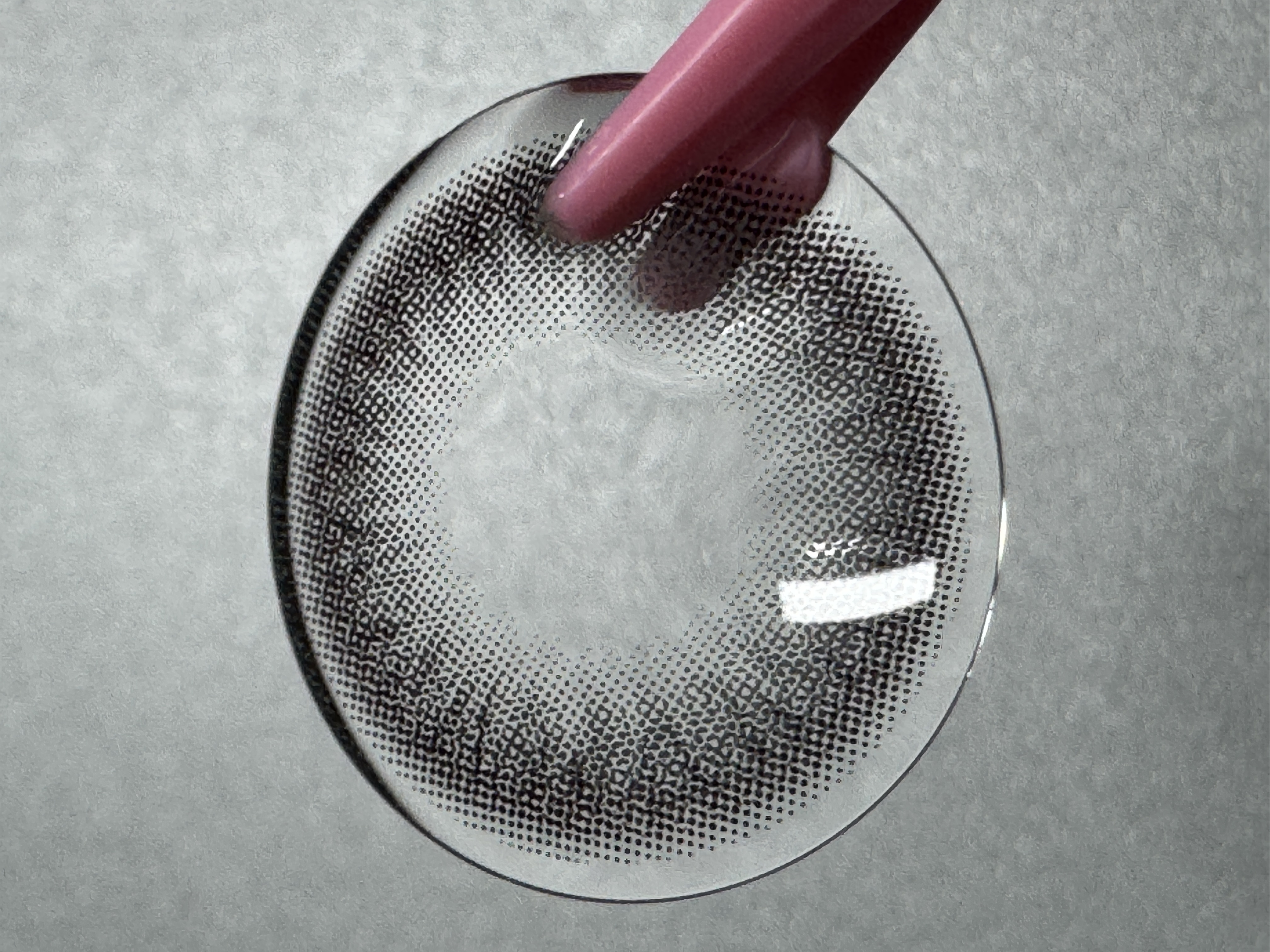
Understanding Contact Lens Diameter (DIA)
Contact lens diameter (DIA) is one of the most important parameters when choosing contact lenses. It refers to the total width of the lens, measured from one edge to the other in millimeters. This measurement determines how much of your eye the lens covers and plays a key role in both comfort and visual appearance.
Most soft contact lenses are manufactured within a standard diameter range, typically between 13.8 mm and 14.5 mm. While this range fits the majority of users, even small differences in diameter can noticeably affect how lenses feel and look on your eyes.
Unlike glasses, contact lenses sit directly on the surface of your eye. Because of this, choosing the correct diameter is not just about aesthetics—it is also essential for proper fit and eye health.
Why Contact Lens Diameter Is So Important
Many first-time users focus mainly on prescription strength, but diameter is equally important. A well-chosen diameter ensures that the lens sits properly on the cornea and moves naturally with each blink.
1. Comfort and Wearability
A correctly sized lens will rest gently on your eye and allow a slight amount of movement. This movement is important because it helps maintain tear exchange and keeps your eyes hydrated.
-
If the diameter is too small, the lens may shift excessively, causing irritation or a foreign body sensation.
-
If the diameter is too large, the lens may feel tight, reducing oxygen flow and leading to dryness or discomfort.Proper diameter selection helps ensure that lenses remain comfortable throughout the day.
2. Visual Stability and Clarity
Diameter also affects how stable the lens remains on your eye. A lens that fits well will stay centered over your pupil, providing consistent and clear vision.
If the fit is incorrect, you may experience:
-
Slight blurring
-
Fluctuating vision
-
Difficulty focusing
This is especially noticeable during long hours of screen use or driving.
3. Eye Health and Safety
Wearing lenses with an unsuitable diameter for extended periods can increase the risk of eye issues, such as:
-
Redness
-
Dryness
-
Reduced oxygen transmission
-
Corneal stress in more serious cases
Choosing the right size helps maintain a healthy balance between comfort, oxygen flow, and tear circulation.
Typical Diameter Ranges and Their Effects
Understanding the common diameter categories can help you choose lenses that match both your comfort needs and desired appearance.
Natural Range (13.8 – 14.2 mm)
Lenses in this range provide minimal enlargement and are ideal for a natural, everyday look. They enhance your eyes subtly without dramatically changing their apparent size.
Best for:
Daily wear
Professional settings
First-time users seeking a realistic appearance
Standard Enhancement (14.3 – 14.5 mm)
This is the most popular diameter range for colored contact lenses. It offers a balanced effect—slightly enlarging the eyes while still looking natural.
Best for:
Everyday beauty enhancement
A soft “bright eyes” effect
Users who want noticeable but not dramatic changes
Enlarged / Circle Lens Effect (14.5 mm and above)
Larger diameters create a more pronounced enlargement effect, often associated with “doll eyes” or “circle lenses.” These lenses make the iris appear bigger and more defined.
Best for:
Dramatic makeup looks
Photography and social media
Users who prefer bold eye enhancement
Diameter vs Base Curve (BC): What’s the Difference?
While diameter determines the size of the lens, base curve (BC) refers to the curvature of the inner surface of the lens. Both parameters work together to ensure a proper fit.
Diameter (DIA): Controls coverage and visual effect
Base Curve (BC): Controls how the lens aligns with your eye shape
Even if the diameter is correct, an incompatible base curve can still cause discomfort. That’s why both measurements should be considered together when selecting lenses.
Signs You May Be Wearing the Wrong Diameter
If you are unsure whether your lenses fit properly, watch for these common signs:
If the diameter is too small:
Lens shifts or moves excessively
Feels unstable on the eye
Causes irritation when blinking
If the diameter is too large:
Feels tight or difficult to remove
Causes dryness or pressure sensation
Eyes become red after short wear time
If you experience any of these symptoms, it may be time to try a different size.